
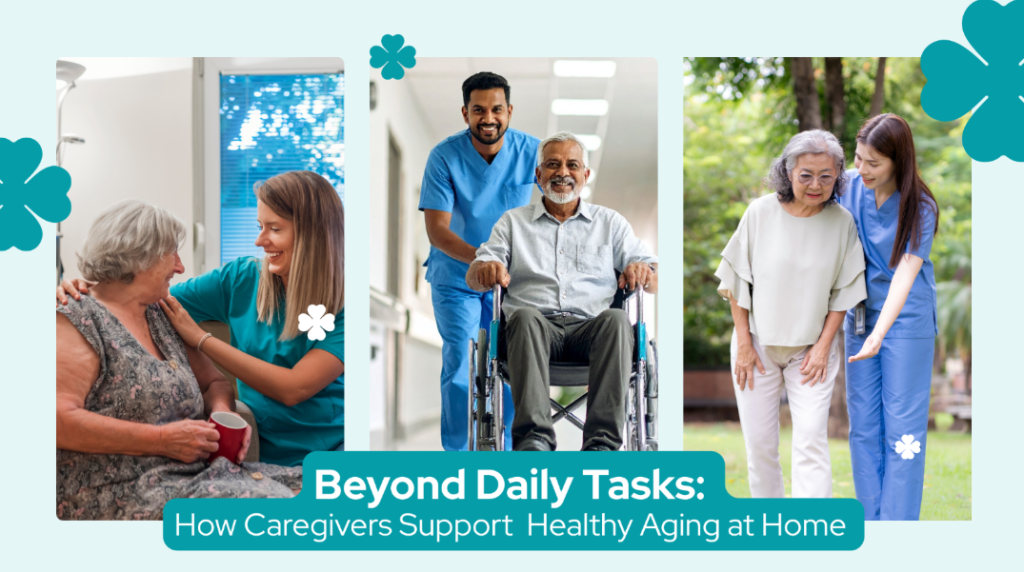
Most older adults want to remain in their own homes as they age. Home provides familiarity, comfort, independence, and connection to the communities they know and love.
However, aging in place successfully requires more than simply staying in a house. It requires having the right support system in place.
As people age, everyday tasks that once felt routine can become more difficult to manage alone. From coordinating medical appointments to managing medications and maintaining social connections, these challenges can affect an individual’s ability to live independently.
This is where caregivers play an important role.
What Does Aging in Place Mean?
Aging in place refers to the ability to live safely and independently in one’s own home and community regardless of age, income, or ability level.
For many seniors, aging in place is about more than convenience. It allows them to maintain familiar routines, remain connected to family and friends, and continue making decisions about their daily lives.
While many people associate aging in place with home modifications or medical care, ongoing support is equally important.
Common Challenges Older Adults Face at Home
Many seniors remain highly independent but may begin experiencing challenges in certain areas of daily life.
These challenges can include:
- Managing multiple medications
- Scheduling and attending medical appointments
- Transportation to healthcare visits and community activities
- Grocery shopping and meal preparation
- Understanding healthcare information and insurance benefits
- Social isolation and loneliness
Needing support in these areas does not mean someone has lost their independence. In many cases, the right assistance can help preserve independence for longer.
How Caregivers Support Independence
One common misconception is that caregivers take over tasks for older adults.
In reality, quality caregiving is designed to support independence, not replace it.
Caregivers can help seniors stay organized, maintain routines, navigate healthcare systems, and manage everyday responsibilities while still encouraging them to remain actively involved in decisions about their own lives.
By providing assistance where it is needed most, caregivers help reduce stress and make daily life more manageable.
The Importance of Companionship
Caregiving is about more than practical support.
For many older adults, companionship is one of the most valuable aspects of caregiving.
Regular social interaction can help reduce feelings of isolation, improve emotional well-being, and provide a sense of connection.
Whether it is sharing a meal, having a conversation, taking a walk, or participating in activities together, these interactions contribute to a higher quality of life.
Healthy aging involves both physical and emotional well-being.
Supporting Family Caregivers
Professional caregivers also provide important support for families.
Many family members balance caregiving responsibilities with work, parenting, and other commitments. Having a trusted caregiver involved can help reduce stress and provide reassurance that a loved one is receiving the support they need.
Caregiving works best as a partnership between seniors, families, and care teams.
How Omatochi Supports Aging in Place
At Omatochi, we believe aging in place is about helping seniors remain connected, supported, and empowered in the place they call home.
Our caregivers assist with daily needs, companionship, care coordination, and community connection while respecting each person’s preferences, goals, and independence.
Because aging in place is not simply about where someone lives.
It’s about having the support needed to continue living safely, confidently, and on one’s own terms.
Aging well is easier when no one has to navigate it alone.